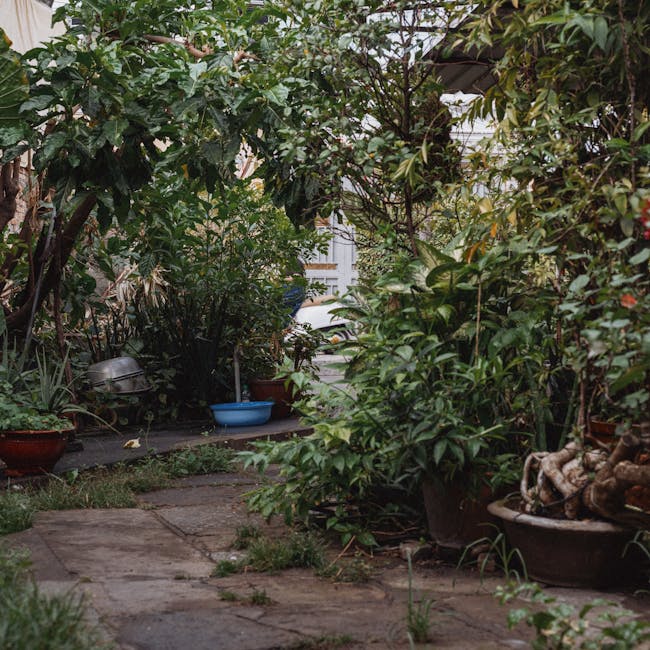
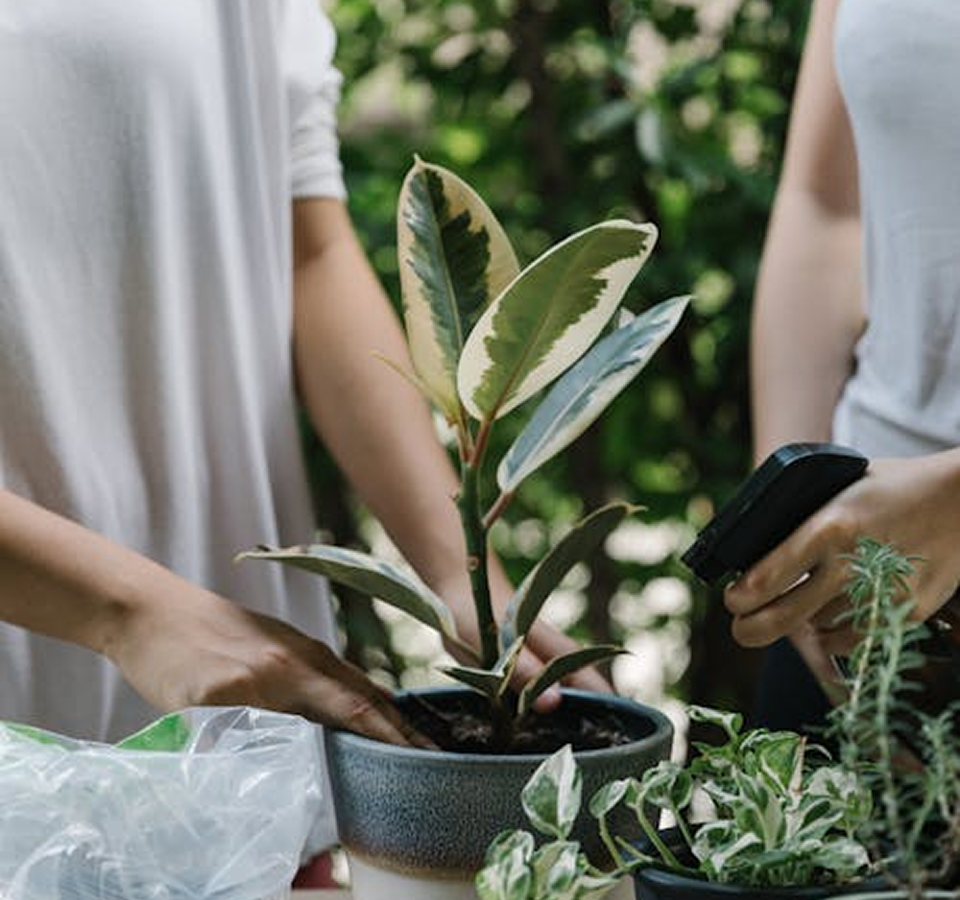
Best gardeners near Willesden Junction for small gardens
If you have a compact patio, a narrow terrace, or a modest London back garden, you already know the challenge: every square metre has to earn its keep. The Best gardeners near Willesden Junction for small gardens are the ones who understand that less space does not mean less potential. In fact, a small garden can look sharper, feel calmer, and be easier to maintain when it is designed and cared for properly. The trick is choosing someone who knows how to work with scale, light, access, and everyday use without making the space feel crowded.
This guide walks you through what to look for, how the process usually works, the practical benefits, and the mistakes that can waste time and money. It also covers trust signals, safety, and the kind of questions worth asking before you book. Let's face it, a tiny garden can be fussy. But with the right gardener, it becomes one of the nicest rooms in the house, just outdoors.
Why choosing the right gardener matters for small gardens
Small gardens need a different sort of thinking. A large plot can absorb a few awkward decisions. A compact space cannot. One overgrown shrub, a badly placed planter, or the wrong mowing rhythm can make the whole area feel cramped. A good local gardener understands how to keep things neat without stripping out the character that makes a garden feel like yours.
Near Willesden Junction, many homes have limited outdoor space, mixed sun and shade, and access that is not always straightforward. That means the best gardener is not simply the one with the biggest kit or the most polished pitch. It is the one who can work carefully, spot the small details, and suggest improvements that fit real-life use. Do you want somewhere for a morning coffee, a few pots of herbs, or a tidy family space that does not become a weekend chore? That decision shapes everything.
There is also a trust element. When a gardener is working in a tight area close to fences, windows, stored bikes, or shared access, they need to be methodical. Good communication matters too. A quick conversation about plant preferences, recycling of green waste, or whether you want a full tidy-up versus ongoing maintenance can prevent a lot of confusion later. If you want to understand the company behind the work, their about us page is a sensible place to start.
How small-garden gardening services usually work
Most small-garden services start with an assessment of the space, even if it is a quick one. The gardener will usually look at sun exposure, drainage, current plant health, access points, edge conditions, and how much maintenance the garden will need going forward. In a small garden, those details are not side notes. They are the whole game.
From there, the job may fall into one or more of these common tasks:
- Tidy-up and reset work - cutting back, weeding, edging, pruning, and clearing clutter.
- Maintenance visits - regular visits to keep growth controlled and the layout looking fresh.
- Planting advice - choosing compact, suitable plants that do not overwhelm the space.
- Seasonal care - spring refreshes, summer trimming, autumn leaf management, and winter protection.
- Light redesign support - improving the flow, containers, borders, or usable surface areas.
In practical terms, a small garden job often moves faster than a full-sized landscape project, but it can be more detailed. You spend less time covering ground and more time making careful, visible improvements. That is why a gardener with a tidy, disciplined workflow tends to perform better than someone who treats every garden the same way. They should know when to prune, when to leave structure alone, and when a simple clean-up will give the best visual result.
If you need a broader view of what is available, a good next step is to review the services overview so you can match the right level of help to the size and condition of your space.
Key benefits and practical advantages
The obvious benefit is a nicer-looking garden. Fair enough. But the real value goes deeper than that.
1. Better use of space. In a small garden, the layout matters as much as the planting. A skilled gardener can make a narrow area feel wider, open up a dark corner, or use vertical structure to add interest without clutter.
2. Less ongoing hassle. A space that has been cut back, organised, and planted sensibly is much easier to maintain. You will notice it immediately. Fewer surprise jobs, fewer scrappy edges, fewer weekends lost to catching up.
3. Healthier plants. Small spaces can trap moisture or create shade pockets, which means poor plant selection can quickly lead to patchy growth. A good gardener chooses plants that match the conditions instead of fighting them.
4. Better property presentation. Whether you are renting, selling, or simply want to enjoy the place more, a compact garden can strongly influence how the whole home feels. It is one of those little things that changes the mood when you open the back door.
5. Safer, cleaner working. Professional gardeners should work with care around tools, pathways, and waste removal. That matters even more where access is tight. If you are comparing providers, their approach to insurance and safety is worth checking rather than assuming everything is covered.
6. Better value from seasonal care. A small garden often responds quickly to small interventions. One pruning session, one border tidy, one container refresh. The results can be surprisingly strong for the effort involved. That is the beauty of compact outdoor spaces.
Expert summary: The best small-garden gardeners do not just "tidy". They shape the space, control growth, reduce future maintenance, and make every visible detail work harder.
Who this is for and when it makes sense
This kind of service is ideal if your garden is small enough that one missed job becomes very noticeable. That might be a narrow yard, a tiny lawn, a courtyard, a balcony-style ground space, or a back garden that is mostly paving with a few beds and containers. Small gardens are often simple at first glance, then oddly demanding once the seasons change. Familiar story, really.
It also makes sense if:
- you want regular maintenance but do not need a large landscaping project
- your plants are getting leggy, crowded, or out of proportion
- you want to make a rented outdoor space look cared for without major changes
- you have limited time and want a reliable, repeatable routine
- you need help clearing a garden that has been left for a while
- you want advice that fits London conditions rather than generic garden tips
It may be less suitable if you are looking for a full hard landscaping build, a large structural redesign, or specialist tree work. In that case, a general gardener may still help with the maintenance side, but the job scope should be clear from the outset. That avoids disappointment. And awkward phone calls, which nobody enjoys.
Step-by-step guidance
If you are trying to choose the right gardener near Willesden Junction for a small garden, here is the simplest way to approach it.
- Define the outcome. Decide whether you want a one-off tidy, regular maintenance, planting help, or a small refresh. If you do not know, start with a tidy-up and ask for advice after the first visit.
- Measure the space roughly. You do not need architectural plans. Just note the rough dimensions, sun exposure, and any access issues such as side gates, steps, or narrow paths.
- List the current problems. Think in plain English: overgrown hedge, dead patches, poor drainage, weeds in paving, too much shade, messy borders, and so on.
- Ask what they recommend for your scale. A good gardener should explain what they would prioritise first and why. If the answer feels vague, keep looking.
- Check trust and practical details. Ask about insurance, safety practices, payment methods, and what happens with green waste. You can also review the company's health and safety policy and payment and security information if you want reassurance before booking.
- Compare like with like. Not every quote includes the same things. One may include waste removal or pruning, another may not. Ask directly.
- Book a first visit and assess the result. The first session is often the clearest indicator. Was the space left tidy? Did the gardener work efficiently? Did the layout feel more usable afterwards?
A practical approach like this stops you overbuying services you do not need. Small gardens reward clarity. They really do.
Expert tips for better results
Here is where the small-garden specialists stand out. They do not try to turn a compact space into a mini country estate. That would be a bit much. Instead, they work with restraint.
Choose plants with mature size in mind
The most common small-garden mistake is buying plants for their current size rather than their final size. A plant that looks harmless in March may be blocking a path by August. Ask for compact varieties, slower-growing shrubs, and plants that can be clipped without looking butchered.
Use height, but not bulk
Vertical planting, climbers, trellises, and wall-mounted features can make a garden feel more layered without taking up precious floor space. The point is to draw the eye upwards, not to create a jungle against the fence. There is a fine line, obviously.
Prioritise access for maintenance
In a small garden, it is easy to pack in too many planters, ornaments, or fixed features. Leave room to weed, prune, and sweep. If the gardener cannot comfortably reach the back of the bed, the design is working against you.
Keep a regular rhythm
Small gardens go off balance quickly when left too long. A light visit every few weeks can be more effective than one big rescue later on. This is especially true in spring and early summer when growth suddenly takes off and seems to double overnight. One day it looks neat; two weeks later, not so much.
Ask for low-fuss recommendations
If your main goal is easy upkeep, say so. A knowledgeable gardener will suggest plants and routines that suit a busy household, not a glossy magazine spread. That honest conversation is often where the best results begin.
Common mistakes to avoid
Small gardens magnify errors. A minor misjudgement becomes visually obvious very quickly. Here are the usual traps.
- Hiring purely on price. The cheapest quote is not always the best value if it misses key tasks or leaves the space only half improved.
- Ignoring access issues. Narrow side passages, shared entrances, and limited storage all affect how work gets done. Be upfront about them.
- Overplanting. Too many plants can make a small area feel busy and cramped rather than lush.
- Using thirsty or high-maintenance plants without a plan. If you cannot keep up, they will soon look tired.
- Skipping waste removal questions. Green waste, old pots, and cuttings need a clear plan. Ask before the job starts.
- Not setting expectations for finished appearance. Some people want a very neat, clipped look. Others prefer a softer, more natural style. Say which one you mean.
One small but important point: do not assume every gardener works to the same standard of tidiness. Some are brilliant at plant care but less careful about sweeping and edging. Others are the opposite. A quick look at the company's recycling and sustainability approach can also tell you whether they think sensibly about waste, not just the visible job.
Tools, resources and recommendations
You do not need a shed full of equipment to keep a small garden looking good, but the right tools make the work cleaner and faster. For homeowners, a few basics go a long way. For gardeners, quality and precision matter more than brute force.
Useful items include:
- sharp secateurs for light pruning
- a hand fork and trowel for border work
- a compact rake for leaves and loose debris
- a watering can or hose with controlled flow
- gloves that actually fit properly, because ill-fitting gloves are annoying and nobody needs that
- small storage solutions so tools do not end up scattered across a narrow patio
For service decisions, it helps to compare the broader support a company offers. If you want an overview of service categories, start with the services overview. If you are trying to understand pricing structure before committing, the pricing and quotes page can help you frame the right questions. And if you value a clear sense of the business behind the service, the about us page and contact us page are both practical starting points.
Law, compliance, standards and best practice
For most small domestic gardens, the main concern is not complex regulation. It is basic professionalism. Still, there are sensible standards that any reputable gardener should follow.
Insurance and risk control: A gardener working on private property should be able to explain how they manage injuries, property damage, and tool safety. You do not need a lecture; just clear answers. That is why checking insurance and safety is a smart move.
Health and safety: Good practice includes safe handling of sharp tools, awareness around slips and trip hazards, careful use of ladders where relevant, and sensible site housekeeping. In a small garden, hoses, cuttings, and tool bags can quickly become hazards if the work area is not kept tidy.
Waste handling: Green waste should be removed or dealt with responsibly, and any recycling approach should be explained clearly. If a company publishes a sustainability note, that is a helpful sign, but the practical detail matters more than slogans.
Business transparency: You should be able to find clear information on terms, privacy, complaints, and payment. Those pages are not thrilling reading, admittedly, but they do show whether the business has considered how it serves customers. Useful pages to review include the terms and conditions, privacy policy, complaints procedure, and accessibility statement.
For anyone who values straightforward service and clear admin, those supporting pages are not just formalities. They are part of the trust picture.
Options, methods and comparison table
If you are deciding between different types of help, it is useful to compare the most common approaches. Small gardens often need a mix of these, but one usually becomes the starting point.
| Option | Best for | Typical strengths | Limitations |
|---|---|---|---|
| One-off tidy-up | Neglected or seasonal reset jobs | Fast visible improvement, useful for a fresh start | Does not maintain the result on its own |
| Regular maintenance | Busy households and tidy presentation | Keeps growth under control, predictable upkeep | Requires ongoing scheduling |
| Planting and layout advice | Spaces that feel awkward or cluttered | Improves structure and long-term usability | May need follow-up work to implement fully |
| Seasonal pruning and cutting back | Gardens with shrubs, climbers, and borders | Supports plant health, improves shape and light | Timing matters, especially for certain plants |
| Full small-garden refresh | Compact spaces that need a proper reset | Can change the look and feel dramatically | Needs clearer planning and usually a higher budget |
The best option is not always the biggest one. Sometimes a careful tidy, a few plant swaps, and a smarter maintenance rhythm do more for a small garden than a complete redesign ever could.
Case study or real-world example
Imagine a narrow back garden near Willesden Junction with a small paved area, two tired shrubs, a weedy border, and a few containers that have become a bit random over time. Nothing dramatic, just the kind of space many people quietly avoid because it looks like a half-day job that somehow keeps becoming a whole weekend.
A practical gardener would probably start with a reset: clear debris, remove the worst weeds, cut back the shrubs to a manageable shape, and open up walking space. Then they might suggest replacing one or two overgrown plants with more compact varieties, lifting the visual weight from the centre of the garden and moving interest to the edges. The result would not be a major transformation in the Hollywood sense. It would be better than that. It would be usable.
That is the key difference with small gardens. Success is not measured by how much you can fit in. It is measured by how calm, tidy, and enjoyable the space feels when you step outside for five minutes with a cup of tea and the morning is still cool. You can almost hear the difference, if that makes sense.
Practical checklist
Use this checklist before booking a gardener for a small space:
- Do I want a one-off tidy, regular maintenance, or a small redesign?
- Have I explained the size and access limitations clearly?
- Do I know which areas feel most urgent: weeds, pruning, borders, pots, lawn, or paving?
- Have I asked how waste will be handled?
- Have I checked the gardener's safety, insurance, and payment information?
- Am I clear about the look I want: neat and clipped, natural and soft, or low-maintenance?
- Do I understand what is included in the quote?
- Have I looked at service and trust pages such as pricing and quotes, insurance and safety, and health and safety policy?
- Have I considered whether the gardener's style suits my garden size?
- Do I have a realistic expectation of what can be achieved in one visit?
That last one matters more than people think. Small gardens often look dramatically better after modest, thoughtful work. No need to overcomplicate it.
Get a free quote today and see how much you can save.
Conclusion
Finding the Best gardeners near Willesden Junction for small gardens is really about fit. Fit for the space, fit for the budget, and fit for the way you actually live. A compact outdoor area should not become a burden or a constant source of guilt. With the right gardener, it becomes one of the easiest parts of the home to enjoy.
Look for clear communication, sensible recommendations, tidy workmanship, and a real understanding of small-space gardening. If a provider can explain their services, pricing, safety, and approach in plain English, you are already in better hands than if everything feels vague and rushed. And if they can make a small garden feel bigger, calmer, and easier to manage? Even better.
In the end, good gardening is not about making a space look perfect for five minutes. It is about helping it stay lovely, manageable, and alive through the seasons. That is worth doing properly.
Frequently Asked Questions
What should I look for in a gardener for a small garden near Willesden Junction?
Look for someone who understands compact spaces, uses careful pruning, suggests suitable plants, and can explain how they will keep the garden easy to maintain. Tidy working habits matter a lot too.
Is a one-off tidy-up enough for a small garden?
Sometimes, yes. If the garden just needs a reset, a one-off visit can make a big difference. If growth returns quickly or you want a consistently neat look, regular maintenance is usually better.
How often should a small garden be maintained?
It depends on the planting, but many small gardens benefit from light, regular attention rather than occasional large jobs. During spring and summer, growth can get away from you very quickly.
What makes small garden care different from larger garden work?
Small gardens are more sensitive to layout, plant size, access, and visual balance. One misplaced plant or one overgrown shrub can dominate the whole area.
Can a gardener help make a tiny garden look bigger?
Yes. They can improve the flow, reduce clutter, use vertical planting, and choose plants that add depth without filling every inch of space. The result is often much more open than before.
Should I choose the cheapest gardener I can find?
Not necessarily. In small gardens, the quality of cutting, pruning, and finishing is easy to see. A low quote is only good value if the work is thorough and the scope is clear.
How do I know if a quote is fair?
A fair quote should explain what is included, whether waste removal is covered, and how long the job is expected to take. If the quote feels vague, ask for more detail before agreeing.
What if my garden has poor access?
Tell the gardener in advance. Narrow side passages, steps, shared entrances, and limited storage can affect how the job is planned and priced. Better to say it early than have a surprise on the day.
Do gardeners remove green waste?
Many do, but not all include it in the same way. Always ask how cuttings, branches, and old plants will be handled so there are no misunderstandings.
Can I ask for low-maintenance planting?
Absolutely. If you want a garden that is easier to look after, say so from the start. A good gardener can suggest compact, manageable options that suit your routine.
What should I check before booking a gardener?
Check their service scope, pricing, insurance, safety approach, and terms. The supporting pages on services overview, pricing and quotes, and contact us are useful places to start.
Is it worth getting professional help for a very small garden?
Usually, yes. Small gardens often respond quickly to expert care. A few well-chosen changes can improve the whole feel of the space, and that can make daily life a bit nicer, which is no small thing.
How do I choose between a tidy-up and a redesign?
If the space is basically fine but untidy, start with a tidy-up. If it feels awkward, cramped, or hard to use even when clean, then a small redesign or planting refresh may be the better move.