Access problems for mansion block gardeners Willesden solutions
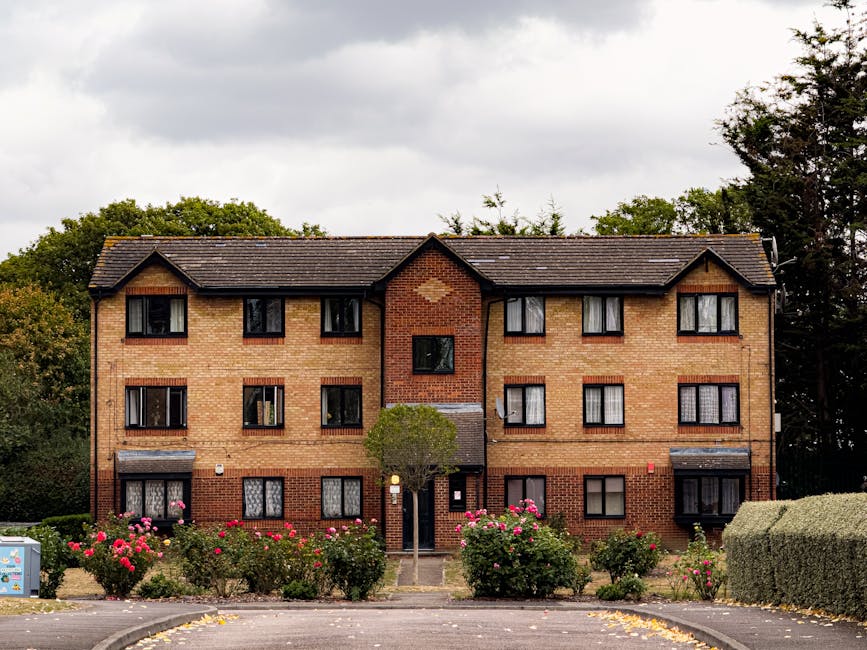
If you look after a mansion block in Willesden, you already know the gardening part is only half the job. The other half is access. Tight side gates, shared entrances, awkward stairwells, resident parking, locked courtyards, missing keys, bin-store bottlenecks, and "just ring the flat when you arrive" logistics can turn a simple maintenance visit into a drawn-out shuffle. This guide to Access problems for mansion block gardeners Willesden solutions explains the practical ways to keep gardens maintained without upsetting residents, delaying crews, or creating avoidable risk.
It is written for managing agents, resident committees, freeholders, and gardeners who need real-world answers, not glossy theory. You will find a clear step-by-step approach, a comparison of access methods, useful compliance pointers, and a checklist you can actually use. And yes, a bit of common sense goes a long way here.
Why access problems for mansion block gardeners Willesden solutions matters
In a mansion block, the garden may look straightforward from the street, but the working reality is often messy. A gardener might be able to see the lawn, shrubs, and borders from the outside, yet still struggle to reach them with tools, waste bags, mowers, hedge trimmers, or a simple wheelbarrow. One blocked route can delay every task after it.
Why does this matter so much? Because access affects timing, safety, resident satisfaction, and cost. A crew that spends twenty minutes negotiating a locked gate and another ten minutes hunting for the correct key is already behind schedule. Multiply that by a few weekly visits and the hidden inefficiency becomes obvious.
There is also the neighbour factor. Mansion block gardens are shared spaces, so any access issue can quickly become a resident issue. Mud through communal halls, noisy early-morning arrival, tools left in the wrong place, or a contractor trying to squeeze past pushchairs and deliveries can create friction. Nobody wants that. Truth be told, most complaints about garden work start with access, not horticulture.
For Willesden properties, this tends to show up in a few familiar ways:
- narrow or locked entry routes to rear gardens
- limited loading and unloading space on residential streets
- shared gates controlled by multiple occupants or agents
- restricted hours because of noise or resident preferences
- poor visibility of where equipment can be stored during a visit
Solving access is not glamorous, but it is one of the fastest ways to improve garden upkeep. Once it is handled properly, the rest of the maintenance plan runs smoother. Simple as that.
If you are also reviewing broader site upkeep, it can help to look at a services overview alongside your access planning, especially where garden work overlaps with landscaping or clearance needs.
How access problems for mansion block gardeners Willesden solutions works
The best access solution is rarely one single fix. More often, it is a small system: permission, communication, practical route planning, and the right equipment. Once those pieces line up, the garden becomes manageable again.
Here is the usual pattern. First, the garden team identifies the exact access route. That includes the entrance point, key-holding arrangement, resident instructions, any physical obstacles, and where tools can be safely carried or staged. Then the job is matched to the access conditions. If the route is tight, lightweight equipment may be better. If the garden is at the back of the building and the route passes through communal space, the team may need protective mats or careful timing to avoid disruption.
In practical terms, access solutions work best when they answer four questions:
- Who opens the route and when?
- How do tools, waste, and equipment get in and out?
- Where can the team safely work without obstructing residents?
- What happens if the usual access point is unavailable on the day?
This sounds obvious, but people often skip it. They assume someone will "sort it on the day." That approach can work once or twice, until the key is with the wrong person or a delivery van blocks the entrance. Then the whole thing stalls.
Good access planning also takes the type of garden work into account. For example:
- Lawn mowing often needs regular, predictable access and a clear route for mowers and cuttings.
- Hedge trimming may require ladders, additional reach, and a safe place to collect clippings.
- Garden clearance can involve bulky waste, so the exit route matters as much as the entrance.
- Tree lopping and removal usually needs the most careful planning because of debris, safety controls, and heavier equipment.
- Garden maintenance tends to benefit from a steady routine, because smaller jobs are easier to manage when access is consistent.
When a site has tricky layout issues, it can help to coordinate with experienced teams that understand garden maintenance in shared blocks. A service page like garden maintenance is a useful reference point for the sort of ongoing work that depends on reliable access.
Key benefits and practical advantages
Fixing access is not just about convenience. It changes the whole operating rhythm of the site. Once the route is sorted and the access process is stable, the benefits show up quickly.
Smoother visits and fewer delays
A gardener who can arrive, enter, and get started without interruption will almost always do better work. There is less standing around, less call-backs, and less risk of a rushed finish. That matters on a busy residential block where residents notice everything.
Better presentation of communal gardens
When access is easy, work is more likely to happen on schedule. That means trimmed edges, neater borders, fewer weeds, and less chance of the garden slipping into that slightly neglected state that sneaks up by the back end of summer.
Lower risk of damage
Problem access often means carrying tools through tight spaces or taking shortcuts. That is how scuffed walls, broken planters, muddy flooring, or damaged locks happen. A proper route reduces all of that.
Less disruption for residents
Good planning means fewer awkward encounters in hallways and fewer complaints about noise or mess. Residents may still notice the work, of course, but it feels controlled rather than chaotic.
More accurate pricing
When access is well understood, quotes become more realistic. That is particularly helpful if you are comparing routine maintenance with one-off clearances or seasonal tidy-ups. If you need to get a feel for how work is costed, the pricing and quotes page is a sensible place to start.
Stronger long-term site care
This is the big one. Reliable access encourages regular maintenance, and regular maintenance prevents the kind of overgrowth that makes access even harder later. It is a bit of a loop. A good loop, though.
Expert summary: In mansion block settings, access is not an admin detail. It is the foundation that makes safe, efficient, and respectful garden care possible.
Who this is for and when it makes sense
This topic is relevant to anyone responsible for shared outdoor space in a block of flats or mansion-style residential property. In Willesden, that often means a mix of older buildings, narrow service routes, and community-managed arrangements that have grown a bit organically over time. You know the type: nobody is fully sure who holds the spare key, but everyone is very sure when the hedge looks shaggy.
You will benefit from access planning if you are:
- a managing agent overseeing scheduled garden maintenance
- a freeholder or landlord responsible for communal grounds
- a residents' association trying to organise a cleaner, safer garden
- a contractor asked to maintain a site with unclear entry arrangements
- a caretaker or building manager who gets the "can you just sort it?" call
It also makes sense when the garden itself is not huge, but access is awkward. Small spaces can still be difficult if the only route is through a side alley, across shared paving, or through a locked communal hallway. In those cases, the access issue can be more important than the garden size.
There are also moments when access planning should move from "nice to have" to urgent:
- the garden has become overgrown and needs clearance
- residents are reporting blocked paths or trip risks
- the usual contractor keeps missing visits because access is unclear
- there have been complaints about noise, mess, or intrusion
- a larger project is being considered, such as landscaping or decking
For one-off cleanup work, access can make the difference between a tidy finish and a long, expensive half-job. If that sounds familiar, garden clearance is often where the conversation starts.
Step-by-step guidance
If you want a workable system, start here. Keep it simple. The best access plans are usually the ones that people can actually follow on a damp Tuesday morning, not just the ones that look good in an email thread.
Step 1: Map the route end to end
Walk the route with the person who will actually carry the tools. Notice gate widths, steps, surfaces, lighting, locks, and pinch points. If a mower fits only at a strange angle, write that down. If waste has to be carried past parked bikes, note that too.
Step 2: Confirm who controls access
Is it one keyholder, a concierge, a managing agent, or multiple residents? The answer matters more than people think. Ideally, the route should have a named contact and a backup contact. No one enjoys waiting outside a locked gate while messages bounce around.
Step 3: Define arrival and working windows
Set the visit time in a way that respects residents and gives the gardener a clear window to work. Early mornings can be quieter for some tasks, but not always appropriate in shared blocks. Later starts may be better for sites with school-run traffic or busy pedestrian access.
Step 4: Decide on equipment and waste handling
Choose tools that suit the route. Lightweight kit, folding hand tools, and manageable waste bags can make a huge difference. If the job includes heavier material, plan the exit route before the first cut is made. It sounds fussy, but it saves grief later.
Step 5: Put resident communication in place
A short notice, a clear email, or a simple site update can prevent a lot of misunderstandings. Tell residents what date work will happen, what areas need to stay clear, and who to contact if there is a problem. Keep it readable. Nobody wants a wall of text at the bottom of a stairwell noticeboard.
Step 6: Build in a fallback plan
What happens if the key is unavailable? What if a car blocks the access route? What if rain makes the safest path slippery? Good planning includes a backup. Even a small one.
Step 7: Review after the first visit
After the first proper job, ask what slowed things down. Was the gate too narrow for the trolley? Did residents need more notice? Was there a better place to stage equipment? Those little lessons improve the next visit. Quickly, usually.
Expert tips for better results
After enough shared-site visits, a few patterns become obvious. Here are the habits that tend to make access problems easier to live with.
- Keep access instructions in one place. If the route details live in three emails and a notebook, they will be lost on a busy day.
- Use the same access contact where possible. Familiarity reduces friction and speeds up problem-solving.
- Plan for waste as carefully as for entry. It is easy to focus on getting in and forget that cuttings, branches, and bags have to come back out.
- Choose low-disruption equipment where sensible. Not every job needs the loudest, biggest machine.
- Work with the site's natural rhythm. If residents tend to use a rear path at lunch, avoid blocking it then.
- Check lighting and weather conditions. A route that seems fine in daylight can feel awkward after dark or in wet weather.
One small but useful habit: photograph the route after it has been agreed, with permission. Not for drama, not for paperwork theatre, just to show what "clear access" looks like on this particular site. That one image can prevent a surprising number of misunderstandings.
If you are improving the whole garden rather than just maintaining it, landscape gardening and landscaping projects often benefit from the same route planning discipline. Bigger changes usually mean bigger access headaches, naturally.
Common mistakes to avoid
Most access problems are not caused by one huge failure. They are caused by lots of small assumptions. Here are the usual culprits.
Assuming the key will be available
This is the classic. Someone thought another person had it. Another person thought the contractor was bringing one. Meanwhile, the team is outside the gate with a mower and a very resigned expression.
Skipping the site visit
A phone description is rarely enough for mansion block access. Pictures help, but they do not always show the awkward angle of a corner, the slope on the path, or the way a gate sticks on humid days.
Ignoring resident movement
Bins, prams, deliveries, bike storage, dog walkers, and school runs all affect movement. If the route crosses a busy communal space, the timing needs to reflect that.
Overloading one visit
Trying to do too much in one session can create congestion. A lighter schedule, repeated more regularly, often works better than one giant push.
Leaving waste logistics to the end
Garden cuttings, branches, and clearance waste need a plan from the start. If not, you end up carrying piles through the same route you were trying to keep tidy. Not ideal.
Forgetting the weather factor
Rain changes everything. Paths become slippery, grass gets heavier, and access routes that looked fine in the morning can turn messy by lunch.
Another mistake, and a subtle one, is treating access as someone else's problem. It is nobody's favourite task, fair enough, but it belongs in the main plan, not the footnotes.
Tools, resources and recommendations
You do not need a mountain of kit to solve access issues. In fact, the most effective tools are often simple and practical.
- Site access sheet: one-page notes covering keyholder details, route description, hazard points, and working hours.
- Resident notice template: a short, clear message that can be reused for routine visits.
- Route photo record: a visual reference for gates, steps, storage points, and waste exit points.
- Tool selection list: equipment that suits the route rather than the dream version of the route.
- Maintenance schedule: a repeating plan that avoids the garden drifting into difficult territory.
For recurring upkeep, the most useful recommendation is usually to simplify. If every visit needs a fresh explanation, the process is too complicated. A stable routine is better for everyone involved.
It can also help to align access planning with broader service expectations. Pages like health and safety policy and insurance and safety are worth reviewing if you want a clearer sense of how a professional contractor approaches risk and site control.
Where sustainability matters, consider whether green waste can be separated efficiently or whether the route encourages repeated handling. The recycling and sustainability page is relevant if your block is trying to handle garden waste more responsibly.
Law, compliance, standards, or best practice
Access problems in communal gardens can touch on safety, resident rights, and building management responsibilities. The exact obligations will depend on the property setup, management arrangements, and the nature of the work. So it is wise to stay cautious and practical rather than overstate anything.
In the UK, sensible best practice usually includes:
- keeping walkways as clear as possible during works
- making sure contractors know the site-specific hazards
- avoiding unnecessary obstruction of shared entrances
- communicating planned work clearly to residents where appropriate
- using suitable equipment for the access conditions
For many blocks, the biggest compliance issue is not a dramatic legal point. It is the simple duty to avoid preventable risk. That means thinking through trip hazards, manual handling, secure storage, and how people get past the work area.
If you are managing a property, it is also sensible to keep records of access instructions, safety notes, and agreed working times. These records help if queries arise later. They also keep everyone on the same page, which sounds boring but is genuinely useful.
Where access affects residents with mobility needs, prams, or limited sightlines, extra care is needed. The accessibility statement offers a helpful reminder that accessibility is not just about websites; it is about how people experience space and services in practice.
If you are unsure about your building's specific requirements, it is sensible to speak with the relevant property decision-makers before work begins. That is the unglamorous answer, but often the right one.
Options, methods, or comparison table
There is more than one way to manage access at a mansion block. The best choice depends on the size of the garden, how often it is maintained, and how cooperative the site layout is. Here is a simple comparison.
| Method | Best for | Strengths | Limitations |
|---|---|---|---|
| Named keyholder with scheduled access | Routine maintenance and repeat visits | Reliable, simple, easy to brief | Depends on the keyholder being available |
| Resident-managed access window | Small blocks with engaged residents | Flexible and low-cost | Can become inconsistent if communication slips |
| Managed agent coordination | Blocks with formal property oversight | Clear responsibility and record-keeping | May involve slower approval or admin steps |
| Timed access with notices | Sites needing disruption control | Predictable for residents and contractors | Requires disciplined planning |
| One-off clearance with site briefing | Overgrown or neglected spaces | Good for urgent resets | Less efficient for ongoing care |
For many mansion blocks in Willesden, a combined approach works best: formal access instructions, timed visits, and a simple resident notice. Nothing fancy. Just consistent.
Case study or real-world example
Consider a typical rear communal garden at a mansion block in Willesden. The garden itself is modest: a narrow lawn, a few shrubs, one overgrown hedge, and a side area collecting fallen leaves. The problem is not the garden. It is the route.
The access point sits through a shared gate tucked beside the building. The gate is narrow, the lock is temperamental, and the path curves around a bin store. On paper, it looks manageable. In practice, the gardener kept arriving to find the gate locked, or partially blocked by bins, or left open with residents assuming someone else would close it later.
What changed? The managing contact set a single access arrangement: one named keyholder, one agreed working window, and one short resident notice before each visit. The gardener switched to lighter tools for regular maintenance, planned hedge work on separate days, and identified a clear staging point for cuttings before removal. The first visit still took a bit longer than ideal. The second was smoother. By the third, the site felt calm and predictable.
Nothing dramatic happened. That is the point. The win was boring, in the best way. Fewer delays, less stress, better results. And the garden looked better because the work could actually happen on time.
Practical checklist
Use this as a quick pre-visit check. It is simple on purpose.
- Confirm the access route from entrance to garden
- Identify who holds keys or controls the gate
- Check whether the route is clear for tools and waste
- Agree the visit time and any resident notice needed
- Review steps, surfaces, lighting, and narrow points
- Choose equipment that suits the route
- Plan where cuttings and waste will be staged
- Confirm a backup contact if access fails
- Note any mobility, safety, or resident concerns
- Review what worked after the visit and update the plan
If the answer to any of those points is unclear, pause and sort it before work starts. It saves more time than it costs, almost every time.
Conclusion
Access problems for mansion block gardeners in Willesden are rarely solved by one clever trick. They are solved by clear route planning, dependable contact points, appropriate equipment, and communication that respects both residents and the work itself. Once access becomes predictable, garden maintenance stops feeling like a fight and starts feeling like a routine again.
That matters because well-kept communal gardens do more than look tidy. They make the building feel cared for. They support resident satisfaction. They reduce long-term problems that are harder and more expensive to fix later. And frankly, they make everybody's day a little easier.
Whether your block needs regular upkeep, a clearance reset, or a more ambitious outdoor upgrade, the safest and most practical place to start is with access. Get that right, and the rest has a much better chance of falling into place.
Get a free quote today and see how much you can save.
For a dependable next step, explore the team's about us page or send an enquiry through contact us when you are ready. A proper conversation at the start can save a lot of back-and-forth later. And sometimes that is the real win.
Frequently Asked Questions
What are the most common access problems for mansion block gardeners in Willesden?
The most common issues are locked gates, narrow shared entrances, awkward stairwells, limited parking, resident foot traffic, and unclear key-holding arrangements. Waste removal can be another sticking point.
How do you plan garden access for a shared residential block?
Start with a site walk, confirm who controls keys or gates, agree the working window, and identify the route for tools and waste. Then share the plan with residents or the managing contact.
Can regular garden maintenance help reduce access issues over time?
Yes. Regular maintenance usually means lighter jobs, less waste, and less overgrowth, which makes the route safer and simpler for each visit. It is easier to keep access manageable than to recover a neglected site.
What should a gardener know before visiting a mansion block?
They should know the exact access point, the keyholder or contact name, where they can stage equipment, what areas to avoid, and whether there are any resident-sensitive times to work around.
Is it better to choose lightweight tools for difficult access sites?
Often, yes. Lighter and more compact tools can be a better fit where the route is tight or shared. That said, the right choice depends on the actual job and how much work needs doing.
How do you handle waste when access is restricted?
Plan for it at the start. Decide where waste will be gathered, how it will be carried out, and whether removal will need a separate visit. If clearance is involved, think about the exit route as much as the entrance.
Do residents need notice before gardeners work in communal gardens?
Usually, some form of notice is sensible, especially if the work may affect shared access, create noise, or involve equipment movement. The amount of notice needed depends on the site and the arrangement in place.
What if the keyholder is unavailable on the day?
That is where a backup contact matters. Without one, the visit can be lost completely. Clear contingency planning is one of the simplest ways to stop avoidable delays.
When does access become a safety issue rather than just an inconvenience?
When it causes blocked pathways, awkward carrying of tools, poor visibility, wet or slippery surfaces, or residents having to move around work areas unsafely. At that point, access planning is part of site safety.
Can access issues affect pricing for gardening work?
Yes, they can. Difficult access can increase labour time and make some tasks more complicated. That is why it helps to describe the route clearly when requesting a quote, and to use the pricing and quotes information as part of the decision.
Are landscaping projects harder to manage than routine garden care in mansion blocks?
Usually, yes. Landscaping often involves more materials, more equipment, and more movement through the site. Good access planning becomes even more important where changes to the garden are larger or more structural.
Where can I learn more about the company's approach to safety and service standards?
Helpful starting points include the health and safety policy, insurance and safety, and services overview. They give you a better sense of how work is organised and managed.